
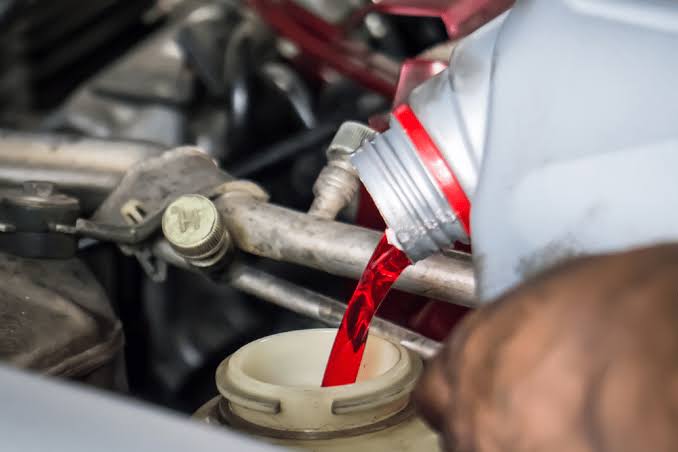
Transmission fluid does far more than sit inside the gearbox. Depending on the transmission design, it lubricates moving parts, manages heat, supports hydraulic operation, and helps shifts occur correctly. As fluid ages or becomes contaminated, transmission behavior may change, and neglected service can contribute to extra friction, poor shifting, and reduced drivetrain efficiency.
What Happens as Transmission Fluid Ages?
Heat cycles gradually change transmission fluid. Additives can lose effectiveness, while normal internal wear may introduce fine material into the fluid.
The effect isn’t identical in every vehicle. Transmission design, driving conditions, service history, towing, heat exposure, and manufacturer specifications all influence how fluid behaves over time.
Shifting Quality May Change First
Some drivers notice delayed engagement, hesitation, rough shifts, or inconsistent gear changes. Those symptoms don’t automatically prove the fluid is the cause, but they justify checking the transmission and its service history.
Reading about broader axle and drivetrain systems can help explain why efficiency depends on more than engine performance. Energy passes through several mechanical components before reaching the road.
Why Fluid Condition Can Affect Efficiency
A transmission works best when its internal parts operate within the conditions intended by its manufacturer. Degraded or incorrect fluid may interfere with lubrication, cooling, hydraulic pressure, or clutch operation.
A sensible routine service strategy includes checking the correct fluid specification and service interval for the exact vehicle. Guessing based on another model can create expensive problems because modern transmissions often have highly specific requirements.
| Fluid-Related Issue | Possible Effect | Useful Response |
|---|---|---|
| Low fluid | Poor lubrication or pressure | Check for leaks |
| Old fluid | Reduced fluid performance | Review service interval |
| Wrong specification | Shift or wear problems | Use approved fluid |
| Contamination | Internal wear concern | Have system inspected |
Service Method Matters as Much as Timing
Not every transmission uses the same service procedure. Some are designed around drain-and-fill maintenance, while others may require specific temperatures, fill procedures, filters, or diagnostic steps.
Vehicle owners comparing car maintenance approaches should treat transmission service as model-specific work. The correct fluid level can also depend on temperature and vehicle position, which is one reason casual guesswork can lead to trouble.
Check the Manual Before Opening Anything
Start with the owner’s manual or manufacturer service information. Confirm the transmission type, approved fluid, recommended maintenance schedule, and whether fluid level checks require a special procedure.
If the vehicle has slipping, severe shuddering, unusual noises, or a transmission warning message, routine fluid replacement alone may not solve the underlying fault.
Signs That Deserve Inspection
Watch for delayed movement after selecting Drive or Reverse, harsh shifting, new vibration, fluid leaks, or a burning smell. Any sudden change in normal transmission behavior deserves attention.
Fuel economy can also fall for many unrelated reasons, including tire pressure, engine faults, brake drag, weather, and driving style. A mileage drop by itself isn’t enough to blame the transmission.
Common Transmission Service Mistakes
The biggest mistake is assuming that any transmission fluid will work. Fluids can differ in friction characteristics, viscosity, and additive packages, so using an unapproved type may create problems rather than solve them.
Another mistake is treating fluid service as a guaranteed repair for an already damaged transmission. Fresh fluid supports maintenance, but it cannot rebuild worn clutches, repair broken components, or correct every hydraulic or electronic fault.
Frequently Asked Questions
Can old transmission fluid reduce fuel economy?
It may contribute if transmission operation becomes less efficient, but fuel economy is affected by many systems. A noticeable mileage change should be evaluated alongside tire condition, engine performance, brake drag, and driving habits.
How do I know when transmission fluid needs changing?
Use the vehicle manufacturer’s maintenance schedule as the starting point. Driving conditions and transmission type matter, and some vehicles have different recommendations for severe service such as towing or frequent stop-and-go driving.
Should I change fluid if the transmission is already slipping?
Slipping can indicate wear, hydraulic trouble, incorrect fluid level, or other faults. Have the cause diagnosed rather than assuming a fluid change alone will correct the problem.
Service the Transmission by Specification
Good transmission maintenance is less about following a universal mileage number and more about following the correct procedure for your vehicle. Confirm the fluid specification, monitor changes in shifting behavior, address leaks promptly, and use qualified service when the procedure requires special equipment. Correct maintenance helps the drivetrain operate as designed.


