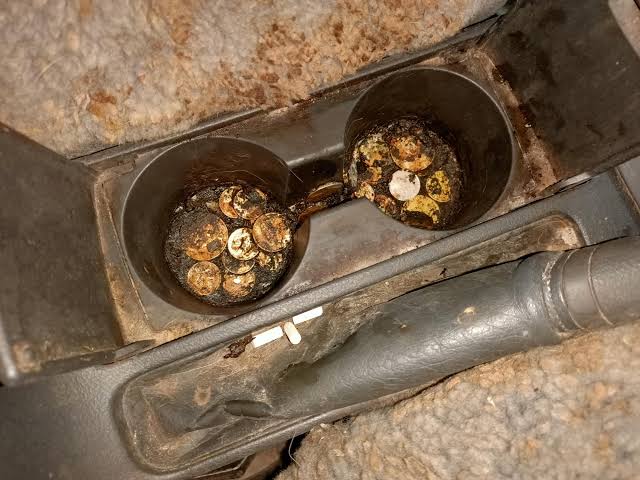
Dirty cup holders collect more than spilled coffee. Syrup, soda, dust, crumbs, and condensation can combine into a sticky layer that traps new debris and eventually produces unpleasant odors. Cleaning them is easier when the residue is softened first instead of attacked with excessive scraping.
Remove Loose Debris Before Adding Cleaner
Start by taking out removable inserts, rubber liners, coins, and anything else sitting inside the cup holder. Vacuum crumbs and dry dirt before applying moisture so they do not turn into a muddy paste.
A soft detailing brush can reach narrow seams without scratching plastic. Owners exploring broader interior care references may also find that routine small-area cleaning prevents cabin grime from becoming a larger detailing job later.
Check Whether the Insert Comes Out
Many vehicles use removable rubber or plastic cup-holder liners. Gently test whether yours lifts out rather than forcing it with a screwdriver.
Once removed, the insert can often be washed separately with mild soap and warm water. Dry it completely before returning it to the console.
Soften Sticky Residue Instead of Scraping Hard
Dried drink residue responds better to patience than force. Dampen a microfiber cloth with warm water and a small amount of mild interior-safe cleaner, then leave it against the sticky area briefly.
Wipe the softened material away in several passes. General vehicle upkeep resources can be useful for understanding why gentle maintenance methods usually make more sense than aggressive products on frequently touched cabin surfaces.
| Problem | Better Method | Avoid |
|---|---|---|
| Dried soda | Warm damp cloth | Metal scraper |
| Crumbs | Vacuum or brush | Flooding with cleaner |
| Sticky corners | Cotton swab | Sharp tools |
| Removable liner | Wash separately | Reinstalling while wet |
Clean Narrow Seams Without Flooding the Console
Cup holders are often integrated into center consoles that contain switches, charging ports, wiring, or electronic controls. Spraying cleaner directly into these areas can send moisture where it does not belong.
Apply product to your cloth or brush instead. If electronics are positioned close to the cup holder, general automotive accessory guidance can reinforce why controlled moisture is preferable around electrically equipped console areas.
Dry the Area Before Reassembly
Use a clean microfiber towel to pick up remaining moisture. Leave removable inserts out until both the insert and cup holder are dry.
This step matters because trapped moisture can hold dirt, produce musty odors, and make freshly cleaned surfaces sticky again faster.
Cleaning Mistakes That Can Damage the Finish
Strong household solvents may discolor or dull automotive plastics. Abrasive pads can also leave permanent scratches that become more visible in direct sunlight.
Another mistake is using a sharp object to pry hardened residue from corners. The tool may gouge the plastic or damage a removable liner. Repeated gentle passes with a damp cloth, detailing swab, or soft brush are slower but normally produce a cleaner result with less risk.
Frequently Asked Questions
How often should car cup holders be cleaned?
A quick wipe whenever spills occur is more useful than following a strict schedule. For routine maintenance, checking cup holders during regular interior cleaning keeps residue from drying into a thick layer.
What removes dried coffee from a cup holder?
Warm water with a mild interior-safe cleaner is often enough. Let the moisture soften the dried residue, then wipe repeatedly rather than scraping the surface aggressively.
Can I pour water directly into a car cup holder?
It is better not to. Some consoles contain electrical components beneath or beside cup holders. Use a damp cloth or controlled amount of cleaner so excess liquid cannot seep into hidden areas.
Make Small Spills Easier to Manage
Cup holders stay cleaner when spills are wiped before they dry. Keep a microfiber cloth in the vehicle, remove loose debris regularly, and use gentle cleaning products rather than harsh chemicals. A few minutes of maintenance can prevent sticky buildup from becoming a stubborn interior-cleaning problem.