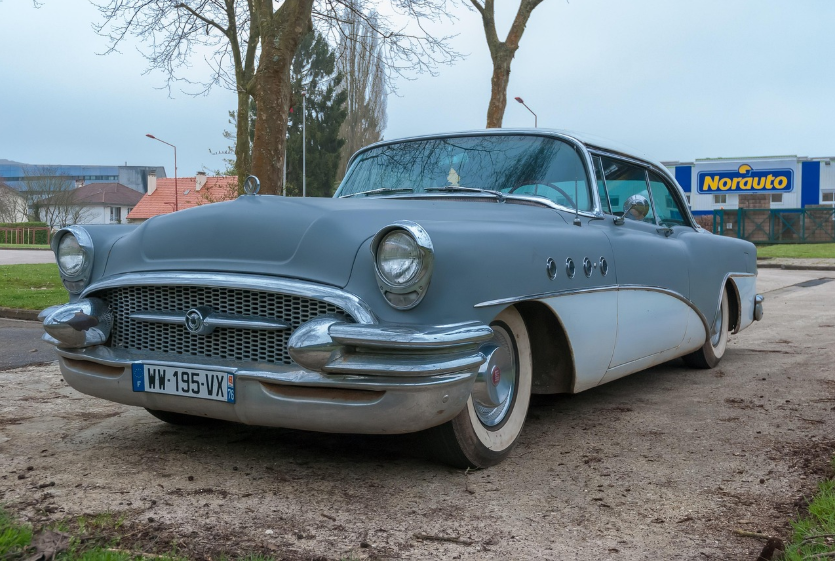
An older car does not automatically need to be replaced just because it has a few years behind it. In fact, some older vehicles can be surprisingly dependable when they receive sensible care. The key is paying attention to small changes instead of waiting for smoke, strange noises, or a dramatic breakdown.
You also do not need to turn your garage into a racing workshop. A few practical improvements, the right parts, and regular attention can make an aging car feel much better on everyday drives.
Notice How It Drives
Your car often gives you clues before something goes properly wrong. Maybe the engine takes longer to start, the idle feels rough, or the car hesitates when you press the accelerator. Pay attention to changes that happen gradually.
If your car used to accelerate smoothly but now feels sluggish, that difference is worth investigating. The same goes for unusual fuel use or an engine that behaves differently when cold. You do not have to understand every mechanical detail. Simply knowing how your car normally feels can help you spot trouble early.
Keep Air And Fuel Balanced
An engine needs the right amount of air and fuel to run properly. Think of it like baking. Too much or too little of one ingredient can ruin the result. Older engines can sometimes develop problems that affect this balance.
You might notice rough idling, hesitation when accelerating, weak performance, or fuel disappearing from the tank faster than usual. When an older car starts behaving differently, it is better to investigate than simply hope it changes its mind.
Choose Performance Carb Accessories
Owners of older carbureted vehicles may sometimes need performance carb accessories to support the existing carburetor setup. These accessories can help different parts of the system work together properly when the right components are selected.
The biggest thing to remember is compatibility. A part that looks impressive in a picture may not be suitable for your particular vehicle. Check the car’s model, engine, and existing setup before buying anything.
Fix Small Problems Early
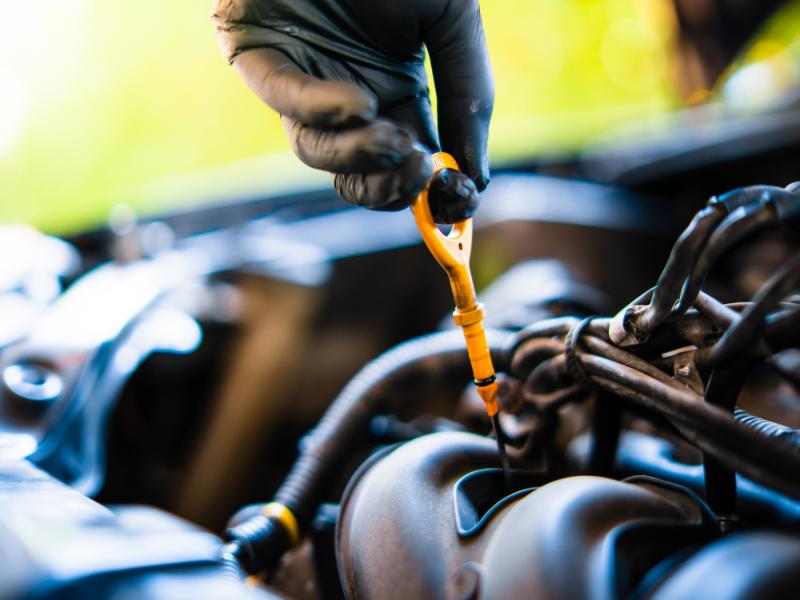
Small car problems have an annoying habit of becoming bigger ones. A loose connection might seem harmless until the car refuses to start. A worn hose can become a leak, while a dirty filter can affect how the engine runs. Regularly noticing these little issues does not mean spending every weekend under the hood.
Basic checks and scheduled maintenance can catch many problems before they grow. If something feels inconsistent, deal with it when you can. Waiting until the car completely stops working is rarely the money-saving strategy people hope it will be.
Know When To Upgrade
Improving an older car does not mean replacing everything at once. Sometimes a simple repair is all the vehicle needs. Other times, replacing an old component makes more sense than repeatedly fixing it. Think about the car’s age, overall condition, how much you drive, and what your budget allows.
If the engine and main systems are healthy, a few sensible improvements may keep the vehicle useful for years. However, if repairs are becoming constant and expensive, a larger upgrade may deserve consideration.