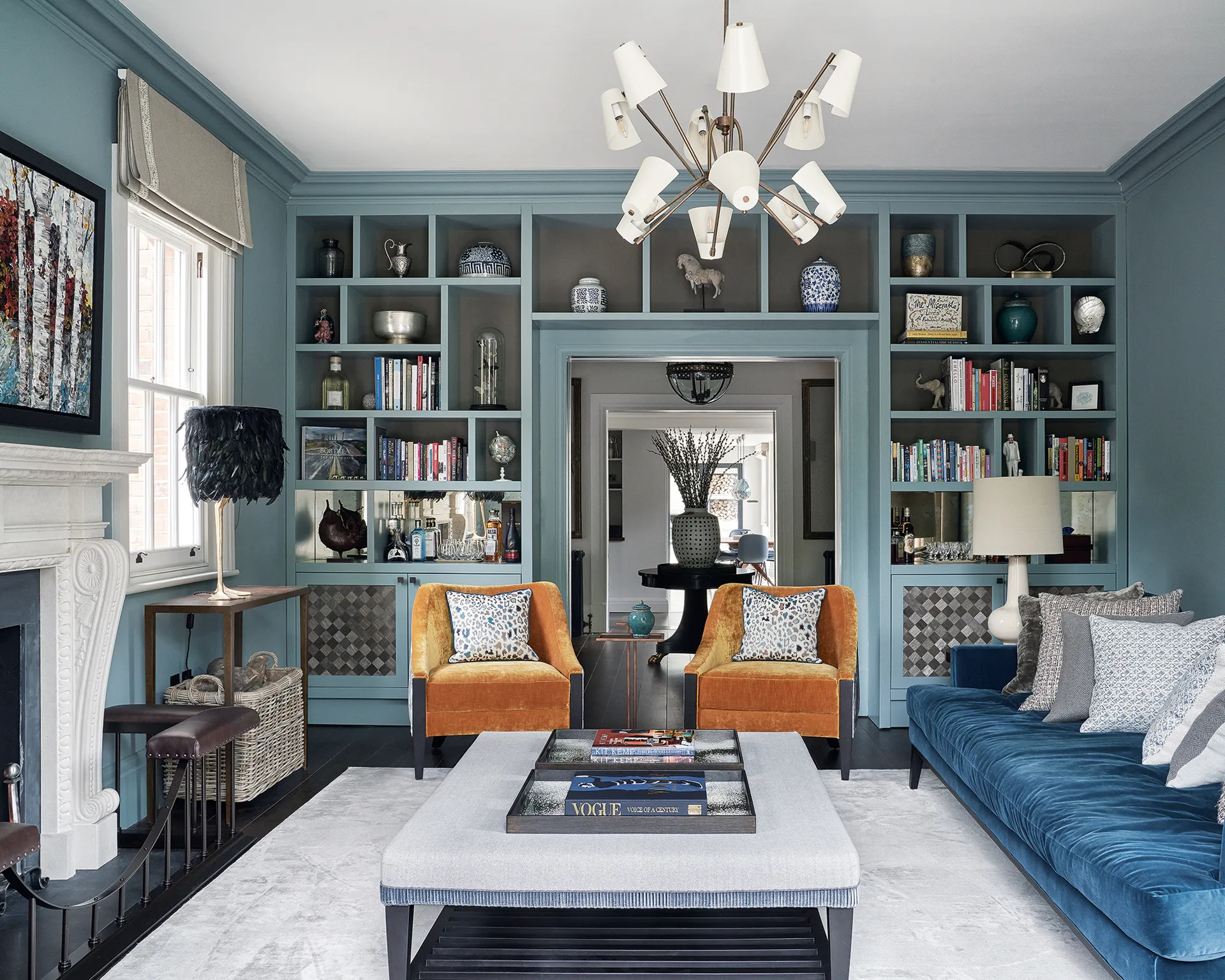
Rooms with limited daylight don’t need to feel gloomy. Low natural light becomes easier to manage when surfaces, furniture, lighting, and contrast work together. The goal isn’t to turn a shaded room into something artificially white. It is to spread the available light more effectively while adding enough warmth and depth to keep the interior comfortable.
Start With Surfaces That Reflect Available Light
Wall color matters, but paint isn’t the only surface influencing brightness. Floors, ceilings, curtains, furniture finishes, and even large artwork determine how light moves through a room.
Soft whites, pale warm neutrals, muted creams, and lighter woods can help a space feel more open. High-gloss finishes aren’t automatically better; too much shine may produce glare while leaving darker areas unchanged.
Looking at varied interior design inspiration can help reveal how rooms remain layered even when their palettes stay relatively light.
Keep Windows Visually Open
Heavy curtains surrounding a small window can make the opening appear narrower. Mounting curtain panels so they rest mainly beside the glass instead of covering it allows more daylight to enter.
Furniture placement matters too. A tall bookcase or bulky chair near a window may interrupt light before it reaches deeper into the room. Exploring low-light room inspiration can offer useful visual comparisons when deciding how much softness to add around darker windows.
Use Mirrors With a Specific Purpose
A mirror is most effective when it reflects a window, pale surface, or brighter part of the room. Placing one opposite a dark corner may simply reproduce another dark view.
| Choice | Possible Benefit | Watch For |
|---|---|---|
| Light wall colors | Softer overall brightness | Flat appearance |
| Thin curtains | More daylight exposure | Reduced privacy |
| Strategic mirror | Redistributes visual light | Poor reflections |
| Layered lamps | Better evening balance | Excessive fixtures |
Build Several Small Sources of Artificial Light
One strong ceiling fixture often creates a bright center surrounded by dull edges. Layering light usually produces a more comfortable result.
Combine a ceiling source with floor lamps, table lamps, or focused task lighting where needed. Using bright outdoor spaces as a visual contrast can also highlight an important principle: brightness feels more natural when it has direction and variation rather than identical intensity everywhere.
Warm bulbs can make darker rooms feel welcoming, while cooler light may suit work areas where visual clarity matters more.
What People Often Get Wrong
Painting every surface pure white is not a guaranteed solution. White can look gray or lifeless when there isn’t enough light available for it to reflect.
Another mistake is removing every darker object. Controlled contrast from wood, charcoal accents, plants, or textured fabrics can give the eye reference points. Without them, a pale room may feel washed out rather than bright.
The better approach is selective lightening: improve major reflective surfaces while keeping enough contrast to preserve character.
Frequently Asked Questions
What paint colors work well in rooms with little sunlight?
Warm whites, creams, light taupes, and pale neutral tones are common choices because they can remain comfortable under weaker daylight. Test samples on several walls because the same color can change considerably throughout the day.
Do mirrors actually make dark rooms brighter?
They can improve perceived brightness when positioned to reflect windows or brighter surfaces. A mirror won’t create daylight, but it can help distribute existing light and expand the visual depth of a small room.
Are dark colors always bad in a low-light room?
No. Dark colors can work as controlled accents or even create an intentionally moody room. Problems usually appear when every major surface absorbs light and there isn’t enough artificial lighting to restore balance.
Brighten the Room Without Erasing Its Personality
Treat limited daylight as a design condition rather than a defect that demands an all-white makeover. Clear the window area, lighten strategic surfaces, and add several well-placed lamps before making larger changes. A room feels brighter when light can travel freely and darker elements appear intentional instead of accidental.