
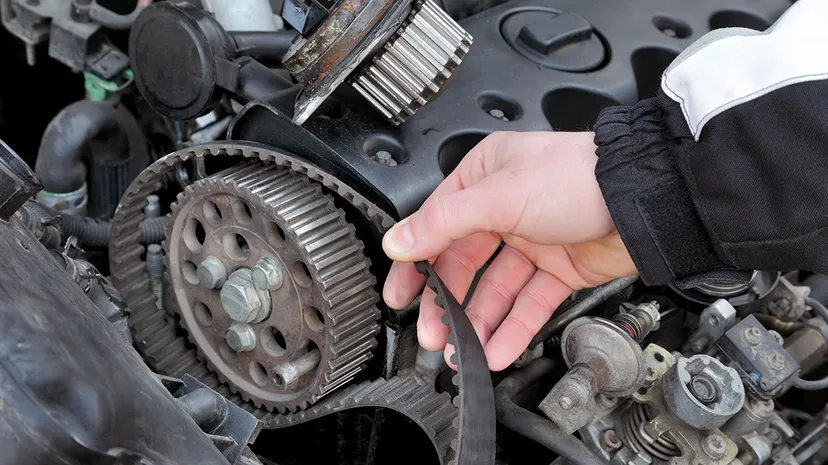
An alternator that starts whining, grinding, rattling, or squealing deserves attention before charging performance deteriorates. The noise may come from worn alternator bearings, the pulley, belt tension, or another accessory nearby. Correctly identifying the source matters because replacing an alternator won’t fix a noisy idler pulley.
Identify What the Noise Sounds Like
Bearing wear commonly produces a rough growl or grinding sound that rises with engine speed. A high-pitched squeal may instead come from belt slip, while a rhythmic rattle can point toward a pulley or mounting issue.
Listen from a safe position with loose clothing, jewelry, hair, and tools kept well away from rotating components. Never reach into the belt drive while the engine is running.
Noise location can be deceptive because vibration travels through brackets and the engine block. A sound that seems to come directly from the alternator may originate a few inches away.
Check the Belt and Pulley System
Inspect the drive belt with the engine switched off. Look for cracking, glazing, contamination, missing ribs, or signs that the belt is running off-center.
People reading automotive maintenance material may see alternator replacement suggested quickly, but belt-drive components should be inspected as a system. A weak tensioner can allow belt movement that creates alternator-like noise.
Pulley alignment also matters. If one pulley sits noticeably out of line, the belt may produce noise while placing extra side load on accessory bearings.
Separate Bearing Noise From Charging Problems
A noisy alternator can still charge normally for some time. That doesn’t mean the bearing condition should be ignored. Mechanical deterioration and electrical output are related only indirectly.
When comparing vehicle repair information, keep mechanical symptoms separate from voltage-related symptoms. A dashboard battery warning lamp, dimming lights, or repeated battery discharge suggests charging-system testing is also needed.
| Observation | Possible Cause | Next Check |
|---|---|---|
| Grinding increases with RPM | Bearing wear | Inspect alternator pulley |
| Belt squeal | Slip or tension | Check belt and tensioner |
| Rattle near pulley | Loose/worn component | Inspect mounting and pulley |
| Battery warning light | Charging fault | Test system output |
A charging test can determine whether the alternator is meeting the vehicle’s electrical demand, but it doesn’t replace mechanical inspection.
Inspect Bearings Before Complete Failure
With the belt removed and the engine safely off, a technician can evaluate pulley movement and bearing feel. Rough rotation, excessive play, or obvious binding can strengthen the case for alternator repair or replacement.
General engine-system reading may help explain component relationships, but belt removal and tensioner procedures differ by vehicle. Use the proper service method, especially where spring-loaded tensioners are involved.
Also check alternator mounting bolts and brackets. A loose mount can create vibration or rattling that mimics internal failure.
Why Noise Doesn’t Automatically Mean a Bad Alternator
Several components rotate whenever the engine runs, including the water pump, air-conditioning compressor, tensioner, and idler pulleys. Their noises can overlap enough to make diagnosis by ear unreliable.
Replacing the alternator simply because it sounds closest to the noise can become an expensive guessing exercise. Confirm the source with careful inspection and appropriate testing. The overlooked component is often elsewhere in the same belt drive.
Frequently Asked Questions
Can a bad alternator bearing leave me stranded?
Yes. A severely damaged bearing can eventually seize or interfere with belt operation. Depending on the vehicle’s belt routing, that may affect charging and other belt-driven accessories.
Why does my alternator whine when I accelerate?
A whine that changes with engine speed may come from alternator bearings, electrical loading, belt movement, or another rotating accessory. The source should be isolated rather than identified from sound alone.
Can a loose belt make an alternator noisy?
Yes. Insufficient belt tension can allow slipping, especially during startup or heavy electrical demand. Inspect belt condition, tensioner operation, and pulley alignment before assuming the alternator itself has failed.
Act Before the Noise Gets Worse
Treat a new alternator-area noise as an early diagnostic clue. Check the belt, tensioner, pulleys, mounting hardware, bearing condition, and charging performance together. Finding a deteriorating bearing or neighboring accessory early can prevent a small noise from becoming a breakdown.

