Persistent shoe odor often has more to do with trapped moisture than with the shoe’s age. Feet naturally create moisture during daily wear, and enclosed footwear can stay damp after you’ve taken it off. Improving airflow and drying smelly everyday footwear thoroughly between uses can make odor control much easier.
Why Everyday Shoes Develop Strong Odors
Sweat itself isn’t usually the only reason shoes smell. Warm, damp interiors create conditions where odor-producing microorganisms can remain active, particularly around insoles and toe areas.
Shoes worn for long hours face a bigger challenge because cushioning and lining materials may absorb moisture below the surface. The outside can feel dry while the interior still holds dampness.
Give Shoes Time to Dry Between Uses
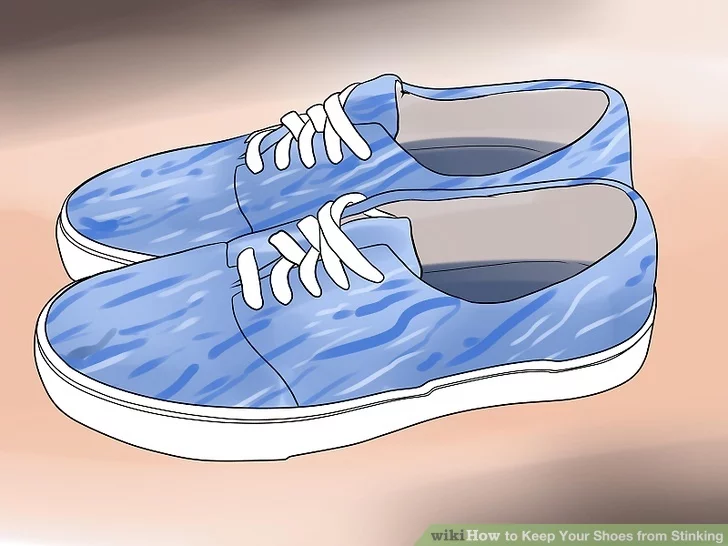
The simplest improvement is to avoid placing recently worn shoes straight into a closed cabinet. Open the laces or fastening system, pull the tongue forward, and place the pair where air can circulate.
People browsing everyday style references may naturally think about which pair works with an outfit, but rotation also has a practical benefit. Alternating between pairs gives each shoe more uninterrupted drying time.
Remove Insoles When Moisture Builds Up
If the insoles are removable, taking them out after heavy wear exposes more surface area to air. Let both the shoe and insole dry before putting them back together.
Replace worn insoles when they remain strongly odorous after appropriate cleaning and drying.
Clean the Parts That Hold the Most Moisture
Before washing an entire shoe, check its care label. Some footwear can tolerate gentle cleaning, while leather, suede, glued constructions, and structured shoes may require more cautious methods.
Advice about wardrobe care ideas can sit alongside many different cleaning approaches online, but manufacturer guidance should take priority when you’re dealing with specific footwear materials.
| Odor Source | Useful Response | What to Avoid |
|---|---|---|
| Damp insole | Remove and air-dry | Reinstalling while damp |
| Moist lining | Increase airflow | Closed storage |
| Surface dirt | Clean as directed | Harsh chemicals |
| Repeated daily wear | Rotate pairs | Wearing damp shoes again |
Improve Storage Instead of Masking the Smell
Fragrance sprays may make footwear smell different for a short period, but they don’t remove trapped moisture. A dry storage area with reasonable airflow is more useful than repeatedly covering odor.
Some people building timeless shoe styling keep favorite footwear in boxes or enclosed organizers. That’s fine for clean, dry shoes, but footwear that has just been worn should usually air out before being enclosed.
If a closet feels humid, avoid pushing shoes tightly together. Extra spacing helps air move around them.
Odor-Control Mistakes That Create More Problems
Soaking shoes unnecessarily is a common mistake. Adding large amounts of water during cleaning can make thick padding harder to dry and may leave the pair smelling worse if moisture becomes trapped.
Another error is using strong household cleaners without checking material compatibility. Bleach, concentrated disinfectants, and heavily scented products can discolor surfaces or damage adhesives. Odor control should focus first on drying, appropriate cleaning, fresh insoles when needed, and enough recovery time between wears.
Frequently Asked Questions
Can shoes smell even when socks are changed daily?
Yes. Clean socks help, but moisture can remain inside the footwear itself. If the lining or insole never dries completely between wears, odor may continue despite regular sock changes.
Does putting shoes outside help remove odor?
Fresh airflow can help drying, but avoid leaving delicate materials in strong sun or bad weather. A shaded, well-ventilated location is usually gentler than prolonged direct sunlight.
Should heavily worn insoles be replaced?
Replacement can help when insoles are compressed, damaged, or retain strong odor despite suitable cleaning and complete drying. Choose replacements that fit properly so they don’t make the shoes uncomfortably tight.
Make Drying Part of the Daily Routine
Strong shoe odor is easier to manage when moisture isn’t allowed to accumulate day after day. Open footwear after use, remove damp insoles when practical, rotate frequently worn pairs, and store shoes only after they are dry. Cleaning still matters, but better drying often addresses the condition that allows unpleasant odor to keep returning.