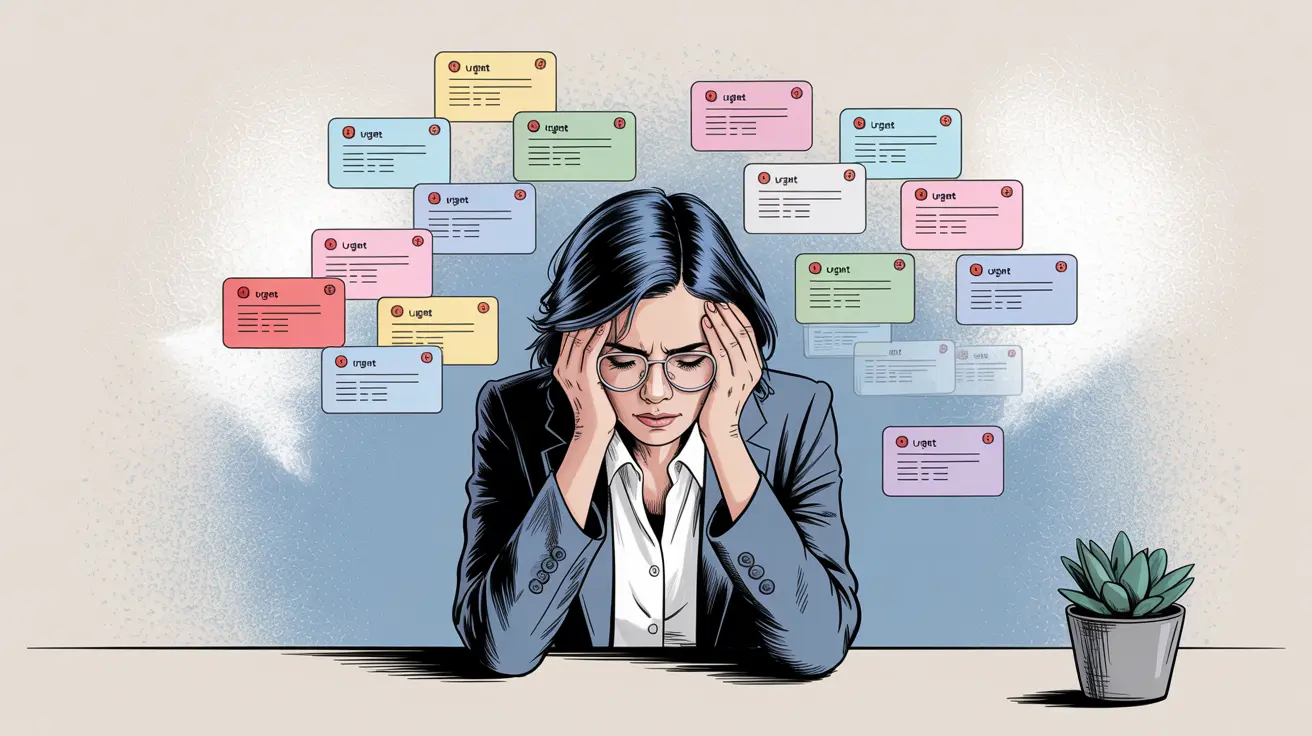
An overloaded task list becomes stressful when every item appears equally deserving of attention. The solution isn’t necessarily a shorter list. It is a clearer distinction between work that must happen now, work that matters later, and work that probably shouldn’t receive your time at all. Prioritizing becomes easier once the list stops pretending everything is urgent.
Separate Commitments From Possibilities
Many lists mix genuine obligations with ideas, reminders, someday projects, and tasks someone casually mentioned. That mixture creates unnecessary pressure because twenty possible actions can look like twenty immediate responsibilities.
During everyday productivity reading or ordinary planning, you may collect more ideas than you can realistically complete. Give those ideas a separate holding area. Keep your active list reserved for work you have actually decided to do.
Ask What Has a Real Consequence
A useful priority has a reason behind it. A customer deadline, scheduled meeting, payment date, or dependency affecting another person’s work has a clearer consequence than an unscheduled improvement you would merely like to make.
Rank Work by Impact and Timing
Start by identifying the few items that would cause a genuine problem if they remained unfinished today. Then look for important work that has no immediate deadline but becomes costly when continually delayed.
Browsing broader workday content can produce countless productivity techniques, but a simple decision framework often works better than constantly changing systems.
| Task Type | How to Treat It | Example |
|---|---|---|
| Urgent and important | Do first | Client deadline today |
| Important, not urgent | Schedule it | Quarterly planning |
| Small necessary admin | Batch together | Routine confirmations |
| Low-value optional work | Delay or remove | Cosmetic adjustments |
This approach prevents easy tasks from winning merely because they can be checked off quickly.
Shrink the Daily List
A master list can contain dozens of items. Your daily list shouldn’t.
Choose a small number of meaningful outcomes for the day, then add minor tasks only if capacity remains. A five-minute administrative job shouldn’t occupy the same mental space as a two-hour piece of concentrated work.
Some general planning material may inspire new projects or improvements. Capture those without automatically promoting them into today’s workload.
Define the Next Physical Action
“Finish presentation” is vague. “Draft the three recommendation slides” is easier to start.
When a task feels heavy, rewrite it as the next visible action. This reduces the mental work required to begin and makes progress easier to measure.
Protect Time for Work That Requires Focus
Prioritization fails when the top task receives whatever time remains after messages, notifications, and small requests. Place important work on your calendar when possible instead of trusting that an open hour will magically appear.
You can also group similar tasks. Handle routine email responses together, process approvals during one block, and reserve separate time for deeper work. Switching repeatedly between unrelated activities creates friction that a simple list doesn’t reveal.
Why Common Productivity Tricks Can Backfire
Constantly reorganizing a task list can feel productive without producing meaningful progress. Changing apps, rewriting priorities, adjusting labels, and color-coding tasks may become another form of avoidance.
The opposite mistake is rigidly following yesterday’s ranking after circumstances change. Priorities aren’t permanent. A customer issue, new dependency, or unexpected deadline can legitimately move something upward.
Also watch for “completion bias,” where small tasks receive attention because finishing them feels satisfying. Ten minor checkmarks can still leave the day’s most consequential job untouched.
Frequently Asked Questions
How many tasks should be on a daily to-do list?
There is no universal number, but the daily list should reflect the time you actually have. A few meaningful priorities plus smaller supporting tasks usually creates more clarity than copying an entire master list into each day.
Should I complete quick tasks immediately?
Sometimes, especially when they prevent another person from moving forward. However, repeatedly interrupting focused work for every two-minute task can fragment the day. Batch low-priority quick tasks when immediate action isn’t necessary.
What should I do with unfinished tasks?
Review them instead of automatically moving everything forward. Reschedule important items, clarify vague ones, delegate where appropriate, and delete work that no longer deserves attention. Carrying obsolete tasks indefinitely only makes future lists heavier.
Make Priority Visible Through Action
Your list should help you decide what to do, not remind you of everything you could possibly do. Separate commitments from ideas, identify the work with meaningful consequences, and protect time for it before smaller tasks consume the day. A manageable workload starts with choosing deliberately rather than trying to finish everything at once.