A formal shirt that gaps between the buttons can turn an otherwise polished outfit into something you keep adjusting all day. Formal shirt gaps usually point to tension across the chest, incorrect button placement, or a shirt cut that doesn’t match your proportions. Better sizing and construction can improve coverage without forcing you into an oversized shirt.
Identify Where the Pulling Starts
Look closely at which buttons are under tension. Gaping across the chest usually suggests the shirt needs more room through that area, while pulling near the stomach may point to a different fit issue.
Wrinkles radiating from a button are another clue. They show where the fabric is being pulled away from its natural position.
Test Movement, Not Just Appearance
Raise your arms, sit down, reach forward, and put on your usual jacket. A shirt that stays closed while standing still can begin separating during ordinary office movement.
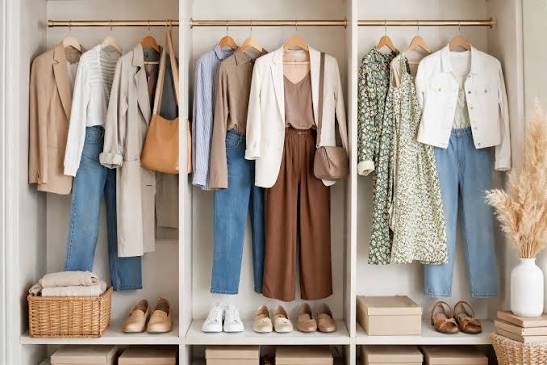
For broader examples of proportion and garment presentation, personal fashion references may help you compare different styling directions without treating one body shape as the standard.
Try a Different Shirt Cut
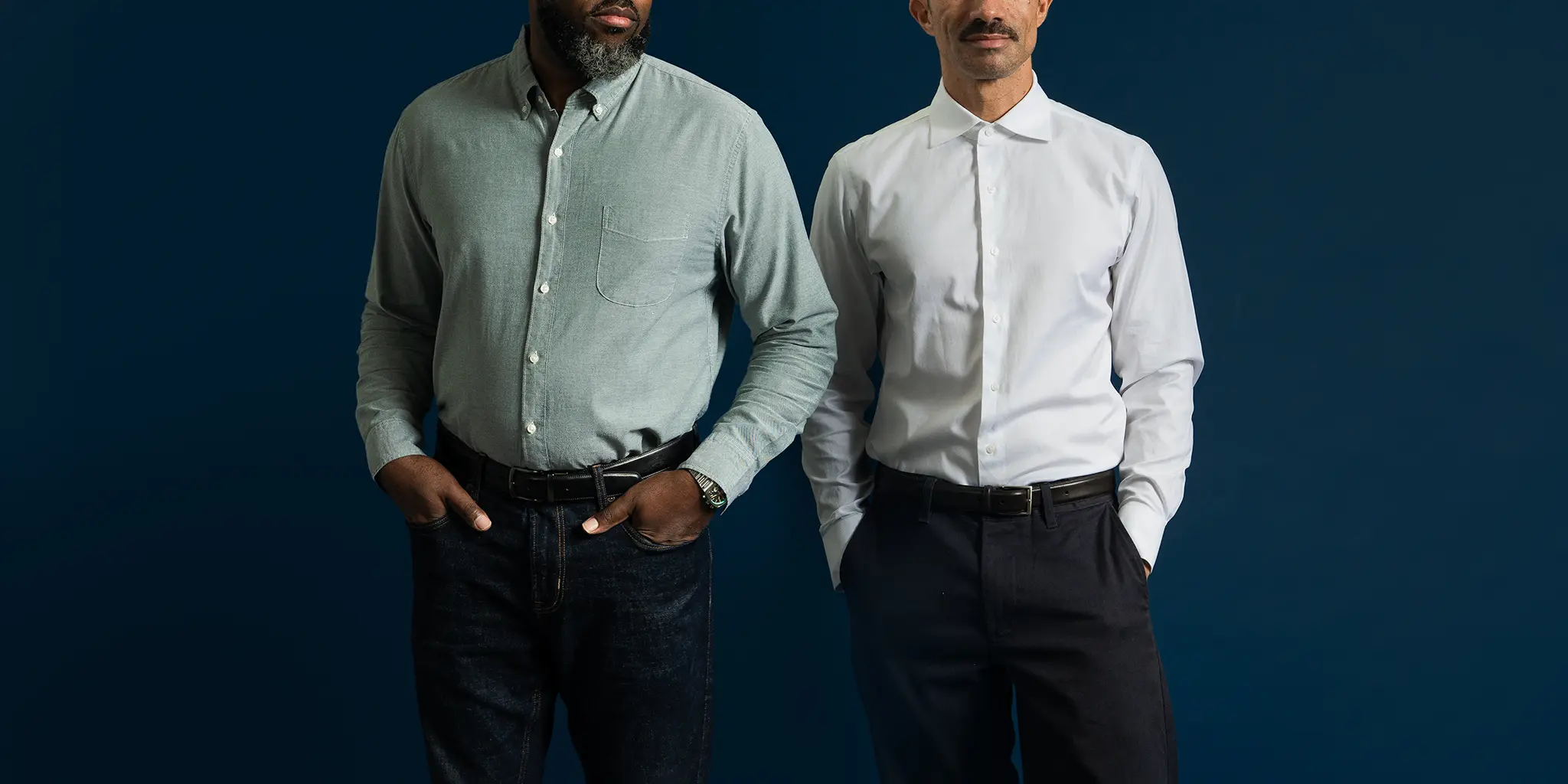
Two shirts labeled the same size can fit very differently. Slim, fitted, classic, relaxed, and curvy cuts distribute fabric across the body in different ways.
Someone with more chest room needed may benefit from a shaped shirt designed with extra space through the bust rather than simply sizing up everywhere.
| Fit Sign | Likely Issue | Possible Fix |
|---|---|---|
| Chest gaping | Insufficient room | Fuller bust cut |
| Shoulder pulling | Shirt too narrow | Wider shoulder fit |
| Excess waist fabric | Size too large overall | Shaped tailoring |
| Button strain | High tension | Different cut or size |
Use Layering as Support, Not Concealment
A camisole can provide extra coverage, but it shouldn’t be the main solution for severe pulling. If the shirt remains under visible tension, the garment still doesn’t fit properly.
Looking through workwear outfit guidance can give you ideas for using tanks, jackets, and knit layers while keeping the overall silhouette neat.
Consider Hidden Fastenings
Some shirts include hidden buttons or internal snaps between visible buttons. These can help prevent small openings when the underlying fit is already close.
They aren’t a substitute for adequate room through the chest. A snap attached to severely strained fabric may pull just as noticeably.
Pay Attention to Fabric Behavior
Crisp cotton can look sharp but usually offers less forgiveness than a fabric containing a small amount of stretch. Softer blends may move more easily during sitting and reaching.
Different style and clothing resources can offer visual ideas, but fabric testing matters more. Pinch the fabric, stretch it gently, and see whether it quickly returns to shape.
What People Often Misjudge
Many shoppers assume the answer is simply buying a larger shirt. That can fix chest tension while creating oversized shoulders, long sleeves, and bulky fabric around the waist.
Another mistake is accepting visible gaping because the shirt technically buttons. A functional button closure isn’t the same as a good fit. The front placket should lie reasonably flat during normal movement without needing repeated adjustment.
Frequently Asked Questions
Can fashion tape stop a button-up shirt from gaping?
Fashion tape may help with a small opening for a short period, but it won’t correct significant tension caused by incorrect sizing or proportions.
Should I size up if my shirt gaps at the chest?
Possibly, but compare a different cut first. A larger size may add unnecessary fabric everywhere else while a fuller chest design provides space only where needed.
Can a tailor add room to a formal shirt?
Sometimes, depending on the available seam allowance. Tailoring more often removes excess fabric, so a shirt that is substantially too small may need replacement.
Choose Fit Before the Label
The number printed inside the collar matters less than how the shirt behaves during your workday. Look for a front placket that stays flat, shoulders that move freely, and enough chest room to sit and reach comfortably. A better cut can provide more coverage while keeping the clean shape that made you choose a formal shirt in the first place.