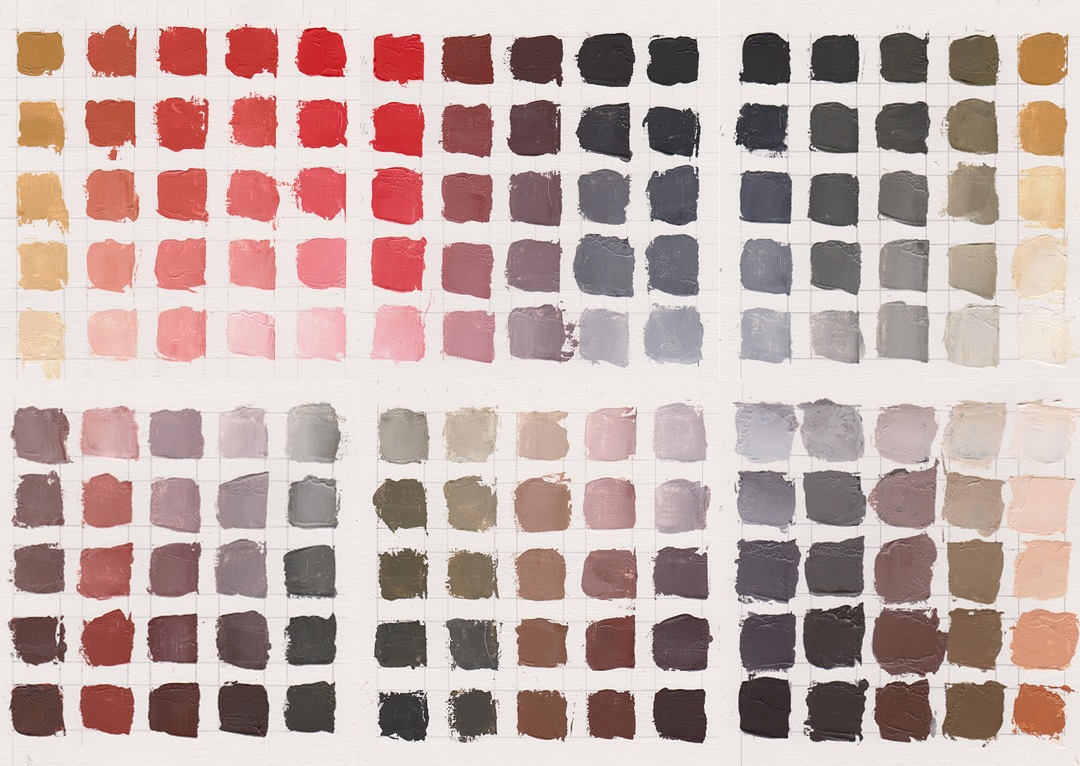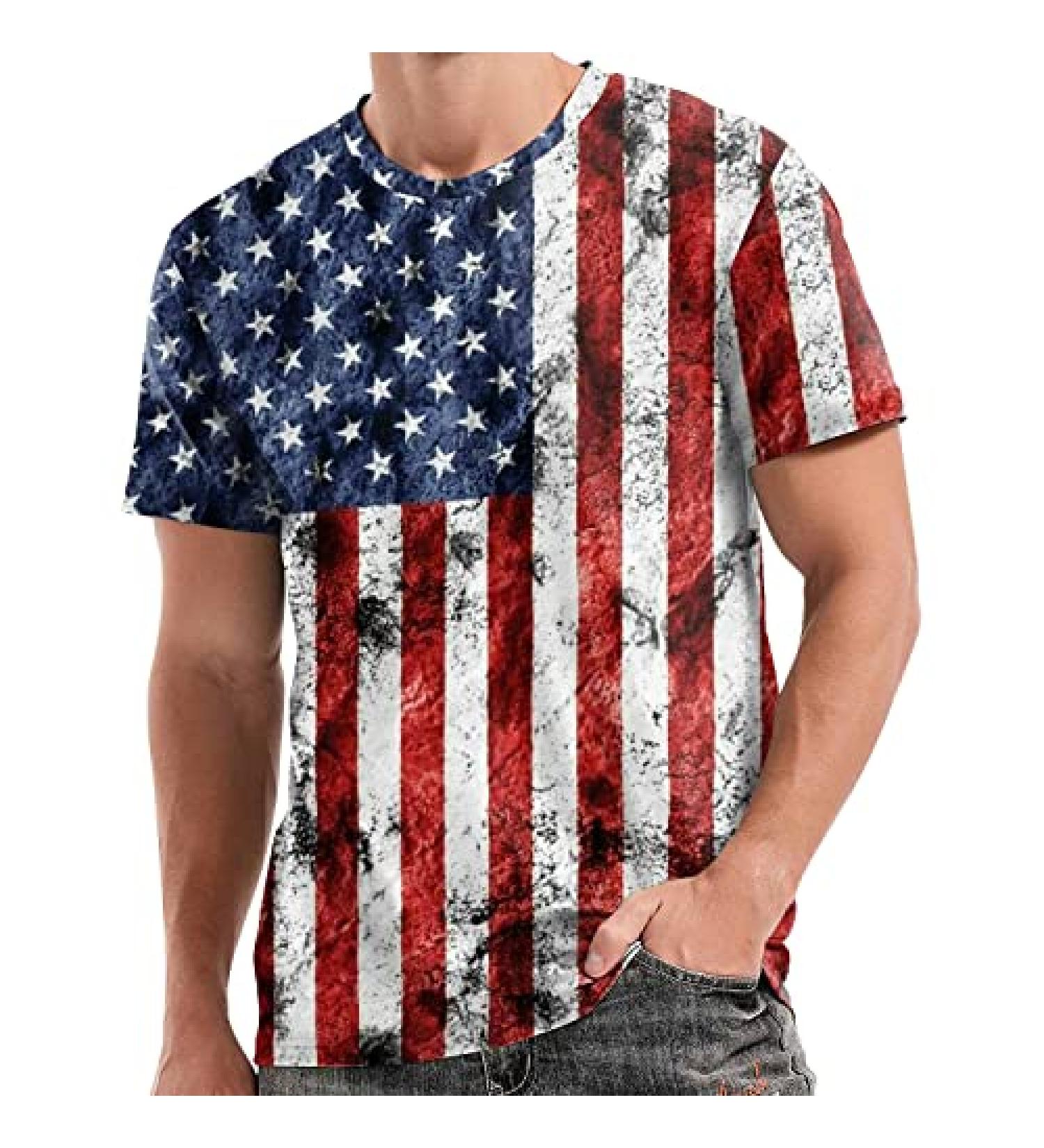
Weak wardrobe planning often shows up as plenty of clothing but surprisingly few easy outfits. Color is frequently the missing link. When most pieces belong to unrelated palettes, getting dressed requires extra coordination. Building around a small group of core colors can make your wardrobe easier to combine without forcing you into dull or repetitive clothing.
Choose Core Colors From What You Already Wear
Don’t start by selecting fashionable colors from a chart. Look at the clothing you repeatedly reach for. Your strongest core shades are usually already visible among your favorite pants, jackets, shoes, and everyday tops.
Neutral colors such as navy, black, brown, gray, cream, olive, and denim often work well as foundations, but you don’t need every neutral.
Exploring wearable fashion combinations can help you notice which colors repeatedly appear together in practical outfits rather than isolated trend images.
Give Each Color a Clear Role
A useful wardrobe palette doesn’t require every garment to match every other garment. It simply needs enough connections to prevent isolated pieces.
One approach is choosing two or three foundation colors, then adding a few accent shades. Foundation colors work especially well for expensive or frequently worn items such as coats, trousers, shoes, and bags.
| Color Role | Best Used For | Planning Benefit |
|---|---|---|
| Core neutral | Pants and jackets | Easy outfit base |
| Second neutral | Shoes and layers | More combinations |
| Accent color | Tops and accessories | Adds personality |
| Statement shade | Occasional pieces | Prevents monotony |
Build Complete Outfits Before Buying More
A shopping decision becomes easier when you imagine three complete outfits using the new piece. If you can’t quickly create them from clothing you already own, the item may require additional purchases.
Looking through coordinated style ideas can make this exercise easier because you can focus on how colors repeat through shoes, outerwear, tops, and accessories.
Photos of your own successful outfits are even more useful. Save them in a phone album and notice which color combinations consistently look balanced.
Use Accent Colors Without Creating Chaos
Core colors aren’t meant to eliminate brighter shades. They create a stable background that makes accent colors easier to use.
Suppose navy, cream, and denim form your foundation. Rust, burgundy, forest green, or soft blue could become accents without making the wardrobe difficult to coordinate.
Current daily outfit inspiration can also spark ideas for introducing stronger colors through smaller items such as knitwear, shoes, scarves, or bags rather than rebuilding an entire wardrobe.
Where Wardrobe Color Planning Goes Wrong
The biggest mistake is buying a piece because the color looks attractive by itself. A beautiful shade can still become wardrobe clutter if it doesn’t work with your shoes, bottoms, outerwear, or usual accessories.
Another problem is becoming overly strict. A palette should guide decisions, not ban everything outside it. Personal style needs occasional surprise. The strongest wardrobe systems create consistency while leaving room for pieces that simply make you want to wear them.
Frequently Asked Questions
How many core wardrobe colors should I choose?
Many people can work comfortably with roughly two or three main foundation colors plus several accents. The right number depends on how colorful your style is and how much coordination you want.
Do all my clothes need to match my core colors?
No. Core colors should connect a large portion of your wardrobe, especially frequently worn basics. Statement pieces and seasonal clothing can sit outside the main palette when you have clear ways to style them.
Can I change my wardrobe color palette by season?
Yes. Your foundation may stay fairly consistent while accent shades shift with weather and preference. Lighter tones may appear more often in warm months, while deeper shades can become stronger during fall and winter.
Make Color Decisions Before Closet Problems Grow
A strong color plan reduces friction long before you stand in front of the closet. Choose foundation shades from clothing you already enjoy, identify accents that connect easily, and test new purchases against complete outfits. The result shouldn’t look rigid or perfectly matched. It should make getting dressed noticeably easier while still looking like you.