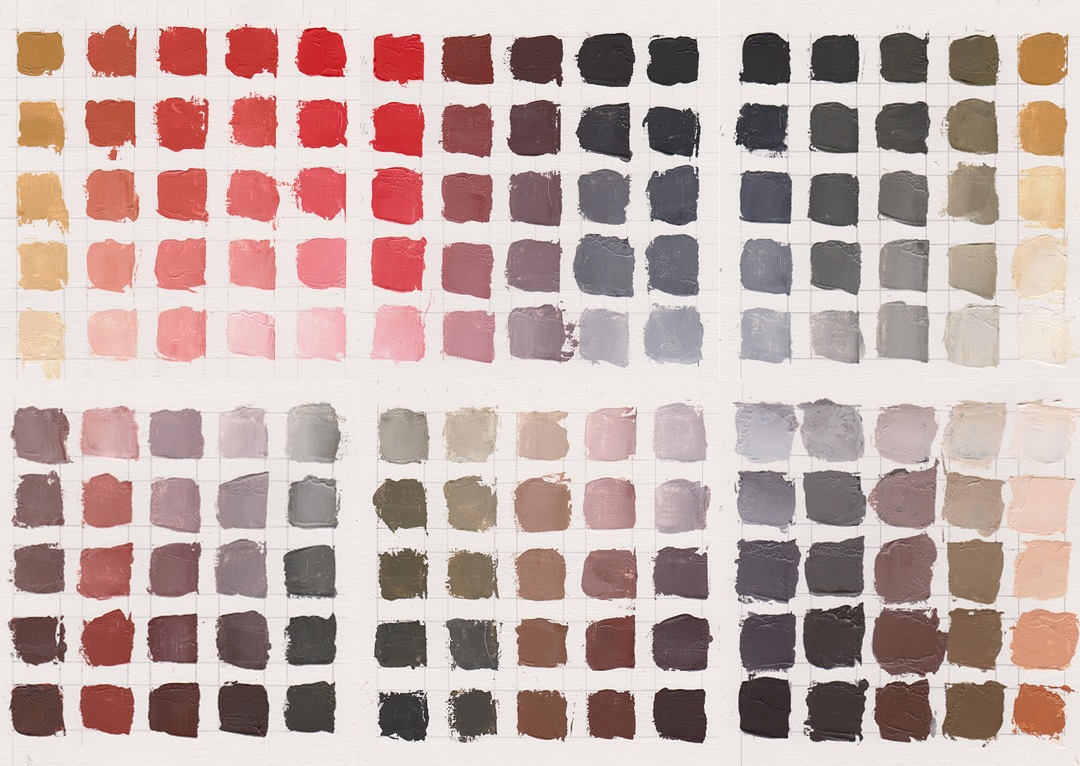
A wardrobe built around only black, gray, navy, beige, or white can feel safe but eventually repetitive. Expanding limited color variety doesn’t require suddenly wearing combinations that feel unfamiliar. Adding one new shade at a time lets your eye adjust, makes shopping easier, and helps you discover which colors actually work with the clothes you already own.
Start With Colors Close to Your Existing Palette
The easiest new colors are usually relatives of shades you already wear. Someone comfortable in navy might try dusty blue or teal, while a beige-heavy wardrobe may accept olive, rust, camel, or muted rose easily.
Browsing outfit color ideas can also help you notice combinations before buying anything. The goal isn’t copying a look but seeing which unfamiliar colors repeatedly appeal to you.
Use Small Areas First
A new color doesn’t need to arrive as a coat or pair of trousers. Socks, scarves, bags, belts, jewelry, or a lightweight layer provide lower-commitment ways to experiment.
Once the shade feels familiar, using it in a larger garment becomes easier.
Build Color Around Reliable Neutrals
Neutrals give unfamiliar shades something predictable to sit beside. Burgundy with charcoal, forest green with cream, or cobalt with denim can feel far easier than combining several new colors at once.
For people studying closet color combinations, this neutral-plus-color approach creates a practical bridge between a restrained wardrobe and a more expressive one.
| Starting Neutral | Easy New Shade | Overall Effect |
|---|---|---|
| Black | Burgundy | Rich and controlled |
| Navy | Rust | Warm contrast |
| Beige | Olive | Soft and earthy |
| White | Cobalt | Clean and brighter |
Repeat New Colors Before Adding More
Wearing a shade several times teaches you more than buying five colors at once. Try the same green top with jeans, cream trousers, a neutral skirt, and layered under a jacket.
That repetition shows whether the color genuinely belongs in your wardrobe. Inspiration from fresh wardrobe combinations may offer additional pairings, but your own repeated wear is the better test.
Photograph Successful Combinations
Quick phone photos can reveal useful patterns. You may notice that a color you considered difficult works consistently with three items you already own.
Saving those combinations also reduces decision-making on busy mornings.
Think Beyond Bright Versus Neutral
Adding color doesn’t automatically mean choosing vivid shades. Muted blue, dusty pink, chocolate brown, sage, deep plum, and soft yellow can expand a wardrobe without changing its overall mood dramatically.
Undertone matters too. A warm muted color may feel more natural beside camel and cream, while a cooler shade may sit better with charcoal and navy.
The Mistake of Buying Color Without a Plan
A colorful garment can look exciting in isolation but become closet clutter if nothing coordinates with it. Buying because a shade is attractive isn’t enough; consider at least two or three outfits before bringing it home.
Another mistake is forcing yourself into colors simply because they’re popular. A broader palette should make dressing easier and more interesting, not create pressure to wear shades that never feel comfortable.
Frequently Asked Questions
What color should I add first to a neutral wardrobe?
Start with a shade that works with at least two of your main neutrals. Olive, burgundy, muted blue, rust, and soft pink are often easier starting points than highly saturated colors.
Do shoes and bags need to match clothing colors?
No. They can repeat a color already present, stay neutral, or provide controlled contrast. Exact matching is optional rather than a requirement for a coordinated outfit.
How can I tell whether a new color suits my wardrobe?
Try pairing it mentally or physically with several pieces you already own. If you can create multiple realistic combinations without buying additional clothing, the color is probably easier to integrate.
Expand Your Palette One Step at a Time
Color becomes easier when it enters your wardrobe through repetition rather than a dramatic overhaul. Start with one appealing shade, connect it to reliable neutrals, and wear it enough to understand its possibilities. Gradual experimentation creates more combinations while keeping your wardrobe recognizable as your own.