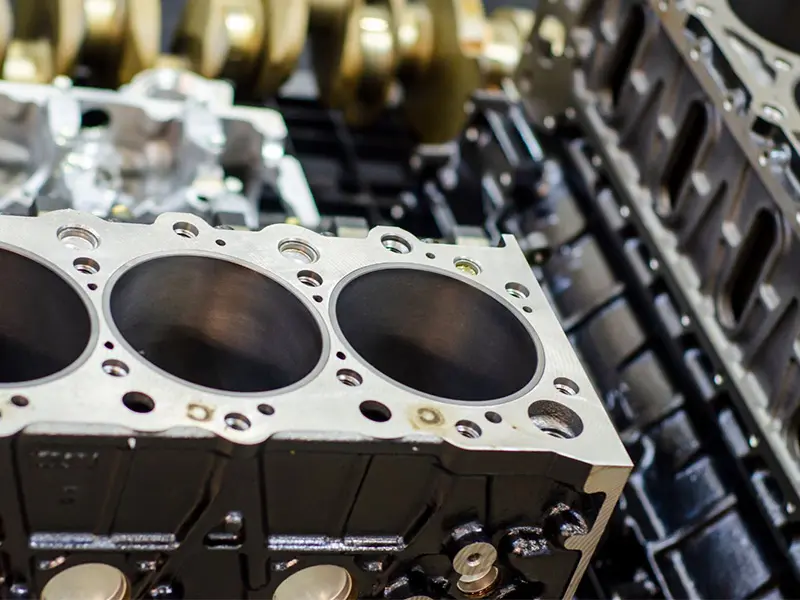
Weak cylinder compression can cause rough running, hard starting, power loss, misfires, and poor efficiency. Because compression depends on valves, piston rings, cylinder walls, and the head gasket sealing correctly, the symptom deserves testing before anyone assumes the engine needs major rebuilding.
A compression test can reveal whether one or more cylinders are producing noticeably different pressure.
Understand What Compression Tells You
During the compression stroke, the piston squeezes the air-fuel charge before ignition. If that pressure escapes through worn rings, leaking valves, or another sealing problem, the cylinder cannot contribute its expected power.
Owners reading engine troubleshooting material may encounter several possible explanations, but compression measurements provide a stronger starting point than engine feel alone.
Look for Cylinder-to-Cylinder Differences
Absolute pressure matters, but balance between cylinders is also important. One cylinder that differs sharply from the others often deserves closer investigation.
Manufacturer specifications should guide interpretation because normal readings vary between engine designs.
Perform the Initial Test Correctly
A basic compression test requires removing the spark plugs and installing a compression gauge in each cylinder. The battery should be sufficiently charged so cranking speed remains reasonably consistent between tests.
Disable fuel and ignition according to the vehicle’s service procedure before cranking. Keep hands, clothing, and tools away from moving components. General engine service guides can help explain the process, but model-specific instructions should control how systems are disabled.
| Finding | Possible Explanation | Next Check |
|---|---|---|
| One low cylinder | Valve or localized damage | Leak-down test |
| Two adjacent low cylinders | Gasket or head concern | Cooling-system inspection |
| Several low cylinders | Wear or test condition | Repeat test correctly |
| Reading improves with oil | Ring sealing concern | Further mechanical testing |
Follow With a Leak-Down Test
Compression testing tells you that pressure may be low. A cylinder leak-down test can provide better clues about where the pressure is escaping.
Compressed air is introduced into a cylinder positioned correctly in its compression cycle. Air heard at the intake may suggest an intake-valve sealing problem, while air at the exhaust may indicate an exhaust-valve issue.
Broader mechanical engine references may help owners understand why ring, valve, and gasket failures produce different leakage paths.
Because compressed air can rotate an engine unexpectedly, correct positioning and safe equipment handling matter.
Compare Mechanical Results With Other Symptoms
Low compression may appear alongside oil consumption, exhaust smoke, coolant loss, misfire codes, or unusual crankcase pressure. Those extra clues can help determine what type of mechanical problem deserves investigation.
A cooling system that pressurizes rapidly or loses coolant without an obvious external leak may justify additional gasket-related testing. Oil-burning symptoms may point attention elsewhere.
Check Valve Timing When Several Cylinders Are Affected
Incorrect valve timing can lower compression across multiple cylinders because valves open and close at the wrong points in the cycle. A stretched chain, jumped timing component, or installation error can sometimes create this pattern.
That is why low readings do not always mean worn piston rings.
Why One Compression Number Can Mislead You
A single reading taken with a weak battery, partially closed throttle, incorrect gauge connection, or different cranking time may create a misleading result. Testing technique matters.
Compression should also be interpreted with engine specifications and supporting checks. Condemning an engine from one questionable reading can turn a manageable repair into an unnecessary replacement decision.
Frequently Asked Questions
What are common signs of low engine compression?
Typical signs include difficult starting, rough idle, repeated misfires, reduced power, and uneven engine operation. The exact symptoms depend on how many cylinders are affected and the underlying cause.
Can low compression be repaired without rebuilding an engine?
Sometimes. A valve problem, head-gasket failure, or timing issue may be repairable without a complete rebuild. Severe ring or cylinder wear may require more extensive internal engine work.
Will a scan tool detect low compression?
A scan tool may reveal misfire codes or unusual operating data, but it does not directly measure cylinder compression. Mechanical compression or leak-down testing is needed to evaluate cylinder sealing.
Test Before Choosing a Major Repair
Weak compression problems deserve methodical testing before expensive decisions are made. Compare every cylinder, verify the test conditions, and use leak-down testing when needed. Once the leakage path is identified, you can judge whether the repair involves valves, timing components, gaskets, piston rings, or deeper engine wear.