Real estate photography captures everything at once, including objects homeowners barely notice anymore. Cluttered room issues can make otherwise usable spaces appear smaller, darker, and harder to understand in listing photos. The goal isn’t to empty the home completely. It’s to remove enough visual competition that buyers can clearly see the room’s dimensions, features, and intended function.
Decide What the Camera Actually Needs to See
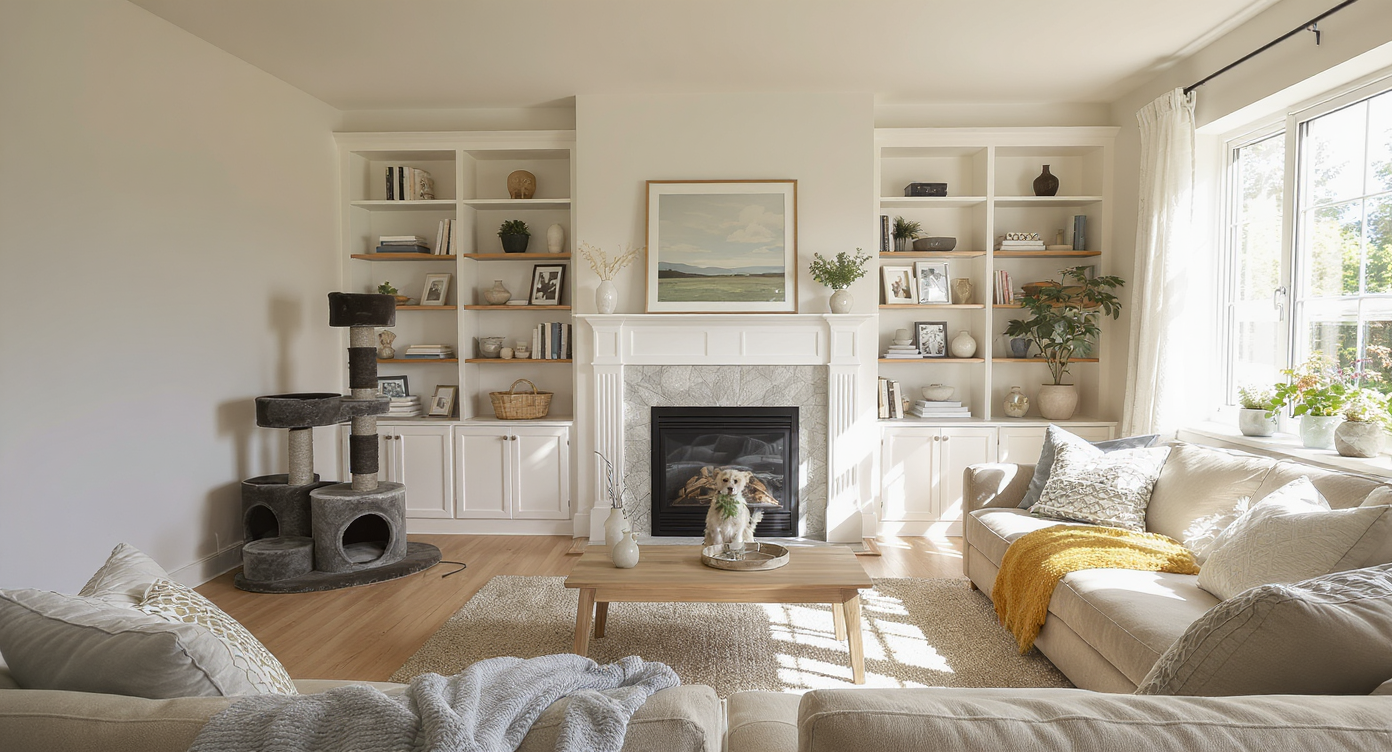
Walk into each room and identify its strongest selling feature. It might be a fireplace, large window, built-in shelving, kitchen island, attractive flooring, or simply a comfortable amount of floor space.
Anything blocking that feature deserves scrutiny. Extra chairs, baskets, countertop appliances, piles of books, exercise equipment, and oversized decorative pieces often consume more visual space in photos than owners expect.
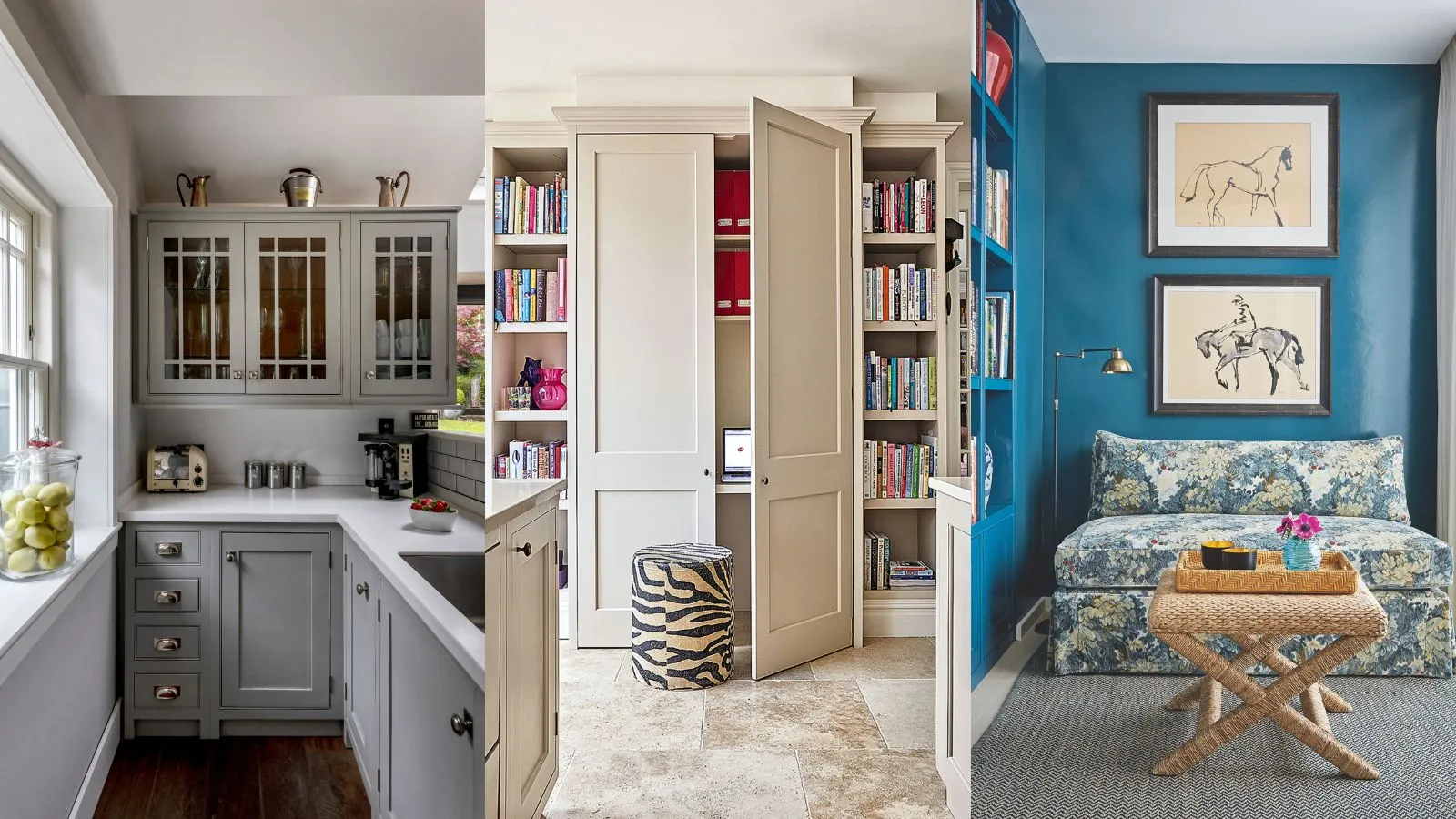
People comparing space-planning inspiration may notice attractive styling examples, but good listing photography usually begins by removing distractions.
Reduce Furniture Without Making Rooms Look Empty
Too much furniture makes movement paths difficult to understand. A photographer also needs clear angles from doors, corners, and adjoining spaces.
Remove pieces that duplicate a function. A living room may not need two side tables, multiple accent chairs, an ottoman, and extra storage cubes all visible at once.
If you’re exploring general room styling concepts, focus on proportion. The right amount of furniture should define the room without filling every available section of floor.
| Problem | Photo Effect | Useful Adjustment |
|---|---|---|
| Excess furniture | Room appears smaller | Remove secondary pieces |
| Full counters | Kitchen feels busy | Store daily appliances |
| Packed shelves | Strong visual clutter | Leave open space |
| Floor storage | Interrupts room lines | Move items off floors |
Clear Surfaces and Personal Collections
Kitchen counters photograph best when much of the work surface is visible. Put away paperwork, chargers, medicine, dish racks, excessive appliances, cleaning bottles, and food packaging.
Bathroom counters need similar restraint. Keep only a small number of intentional items, then remove toiletries, toothbrushes, hair tools, extra towels, laundry, and cleaning supplies from view.
Browsing visual staging ideas may help inspire a cleaner look, but the essential test is simpler: can a buyer quickly understand the space without studying every object?
Pay Attention to Shelves and Walls
Bookshelves don’t need to be completely empty. Instead, reduce dense rows and oversized collections so the shelves look intentional rather than overloaded.
Wall decor can also become distracting when numerous small frames or mismatched pieces compete in a single photograph. A few appropriately sized pieces usually photograph more clearly.
Create Clean Sightlines Before the Photographer Arrives
Stand at the doorway and look toward the opposite side of each room. Buyers often see similar angles online. You should be able to visually travel through the room without piles, boxes, cords, or furniture interrupting the view.
Open curtains and blinds when appropriate, straighten rugs, align dining chairs, hide visible cables, make beds, and remove objects from under furniture.
Don’t forget transitional spaces. Hallways, entryways, and landings can appear cramped when shoes, coats, bags, children’s items, or temporary storage accumulate there.
Common Decluttering Mistakes Before Photos
Moving everything into closets can create a different problem. Buyers may inspect storage during later showings, and an overfilled closet can make storage capacity appear limited.
Another mistake is removing so much furniture that a room loses scale or purpose. An empty corner isn’t automatically better than a well-placed chair. The objective is clarity, not sterility. Keep enough furnishings to explain the room while removing items that compete with its strongest features.
Frequently Asked Questions
How much furniture should I remove before listing photos?
There is no fixed percentage. Remove pieces that block walkways, windows, architectural features, or clear camera angles. Keep enough furniture to demonstrate scale and the room’s purpose.
Should family photos be removed before real estate photography?
Reducing highly personal displays can make photographs visually simpler. You don’t need to erase every sign of occupancy, but large collections of personal photos can draw attention away from the property itself.
Where should clutter go during professional photography?
Use organized storage, labeled moving boxes, an off-site storage area, or another planned location. Avoid simply shifting everything into one visible bedroom, garage, or closet that may also need to be photographed.
Give the Property More Visual Breathing Room
The camera should reveal space rather than document everything you own. Address cluttered room issues before the photographer arrives by simplifying furniture, clearing surfaces, opening sightlines, and organizing storage thoughtfully. A few hours of disciplined editing can make rooms easier to understand online and help buyers focus on the property instead of its contents.