A strong photo day outfit should make your face the focus rather than letting clothing dominate the frame. Color plays a major role because cameras can exaggerate contrast, blend similar tones, and make some patterns appear busier than they seem in person. The safest approach is choosing colors that flatter your complexion while remaining clear against the background.
Pick Colors With Enough Contrast
Start by considering where the photos will be taken. A cream sweater can look soft against a darker background but may disappear against a pale studio wall. Deep navy can photograph beautifully outdoors yet feel heavy in a dark indoor setting.
You don’t need dramatic contrast. You only need enough separation between your clothing, skin, hair, and surroundings for the photograph to retain definition.
People comparing color-focused outfit ideas with saved photographs should pay attention to contrast rather than copying a color exactly. Lighting and background can change how the same shade appears.
Favor Solid Colors and Controlled Patterns
Solid colors are dependable because they give the camera fewer competing details. Muted blue, burgundy, forest green, soft rust, charcoal, cream, and many mid-tone neutrals can work well when they suit the person wearing them.
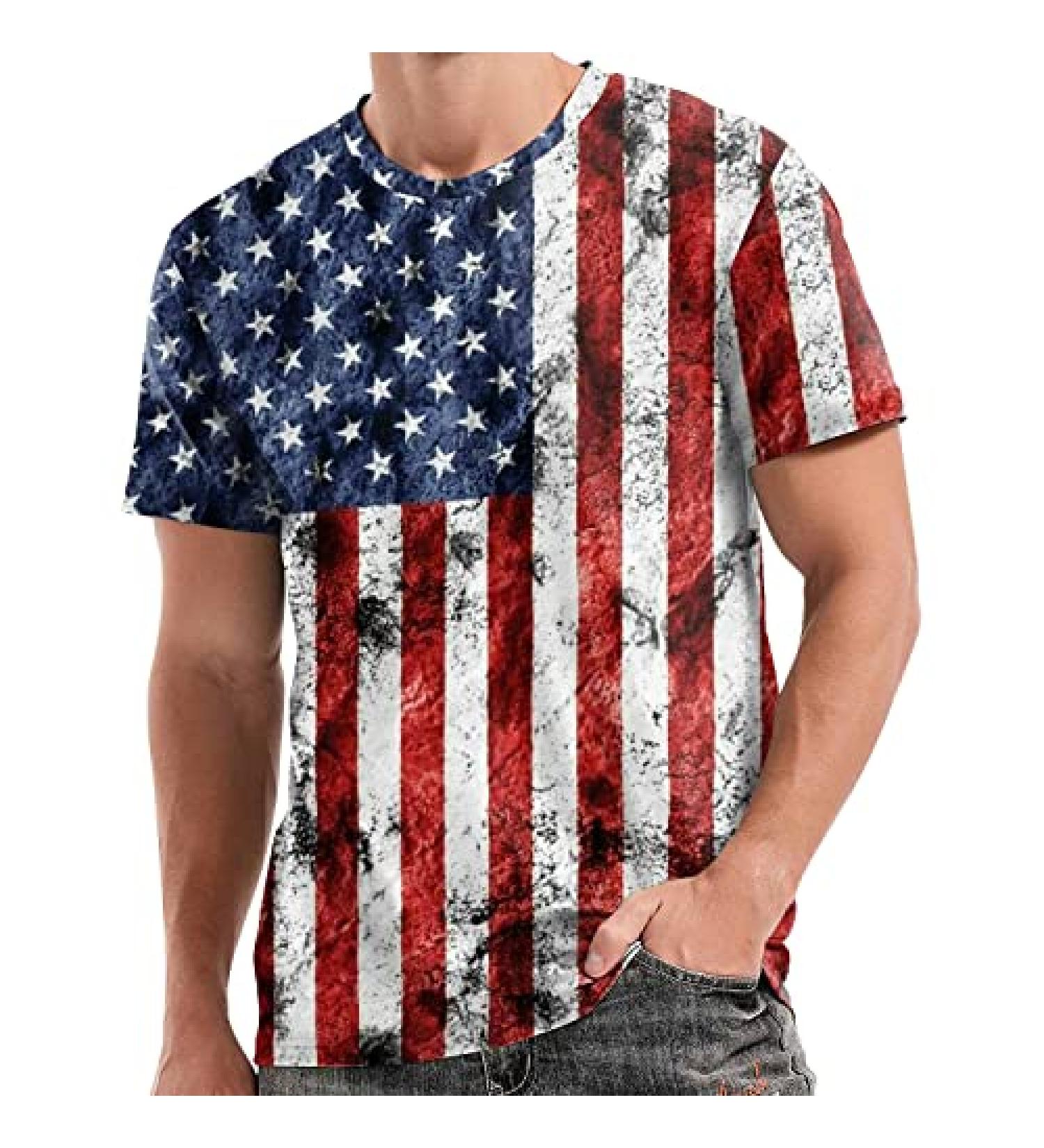
Patterns aren’t automatically a problem. The risk comes from tiny checks, narrow stripes, or high-contrast prints that may create visual noise.
| Choice | Camera Effect | Better Approach |
|---|---|---|
| Tiny stripes | Can look busy | Wider, softer pattern |
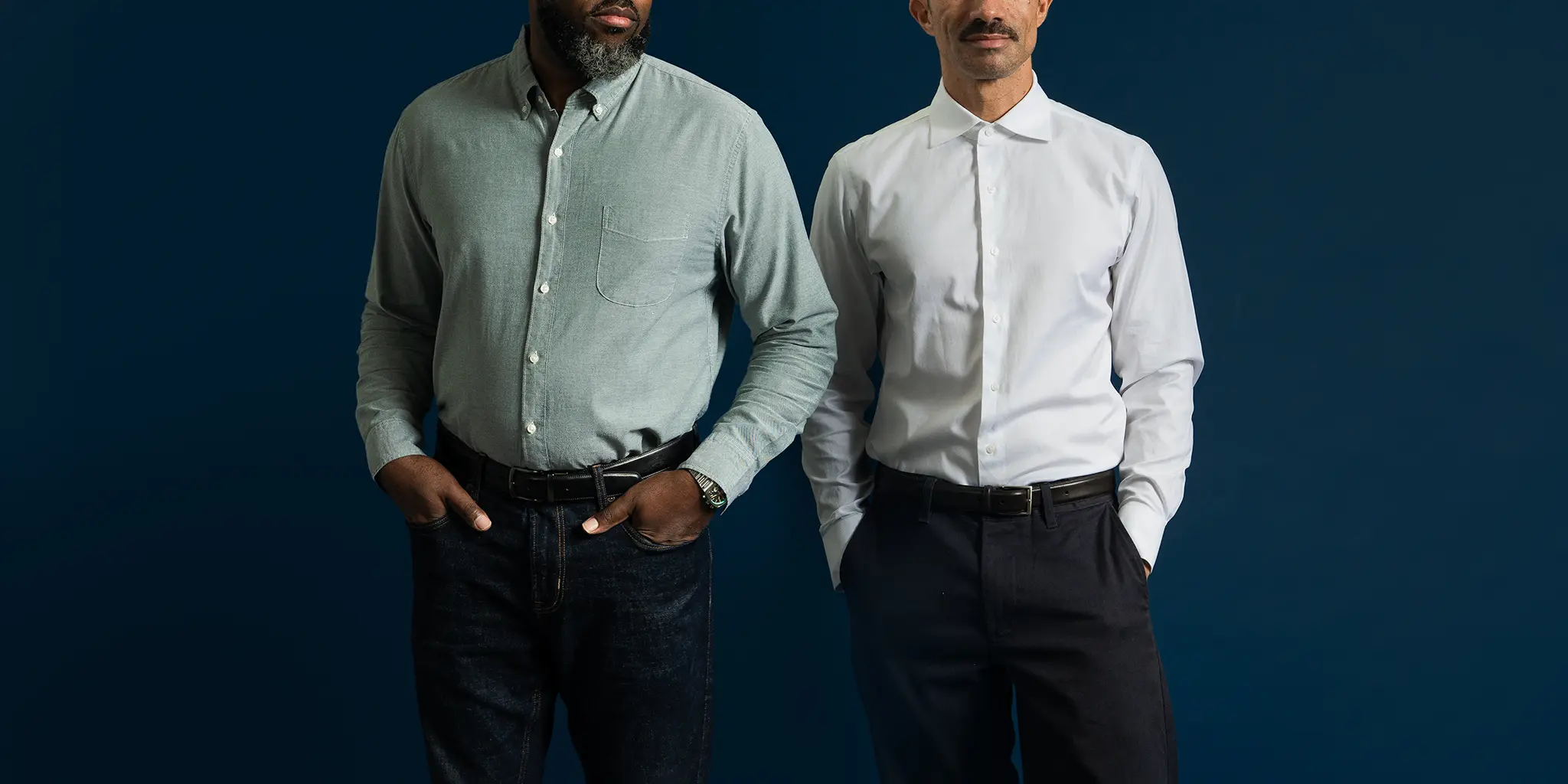
| Bright white | May dominate | Cream or softer white |
| Head-to-toe black | Can lose detail | Add texture or contrast |
| Solid mid-tone | Usually reads clearly | Match to complexion |
Using closet coordination ideas while laying out possible combinations can make it easier to spot when two pieces compete. A simple phone photo of each option is also surprisingly useful.
Coordinate Without Matching Everyone Exactly
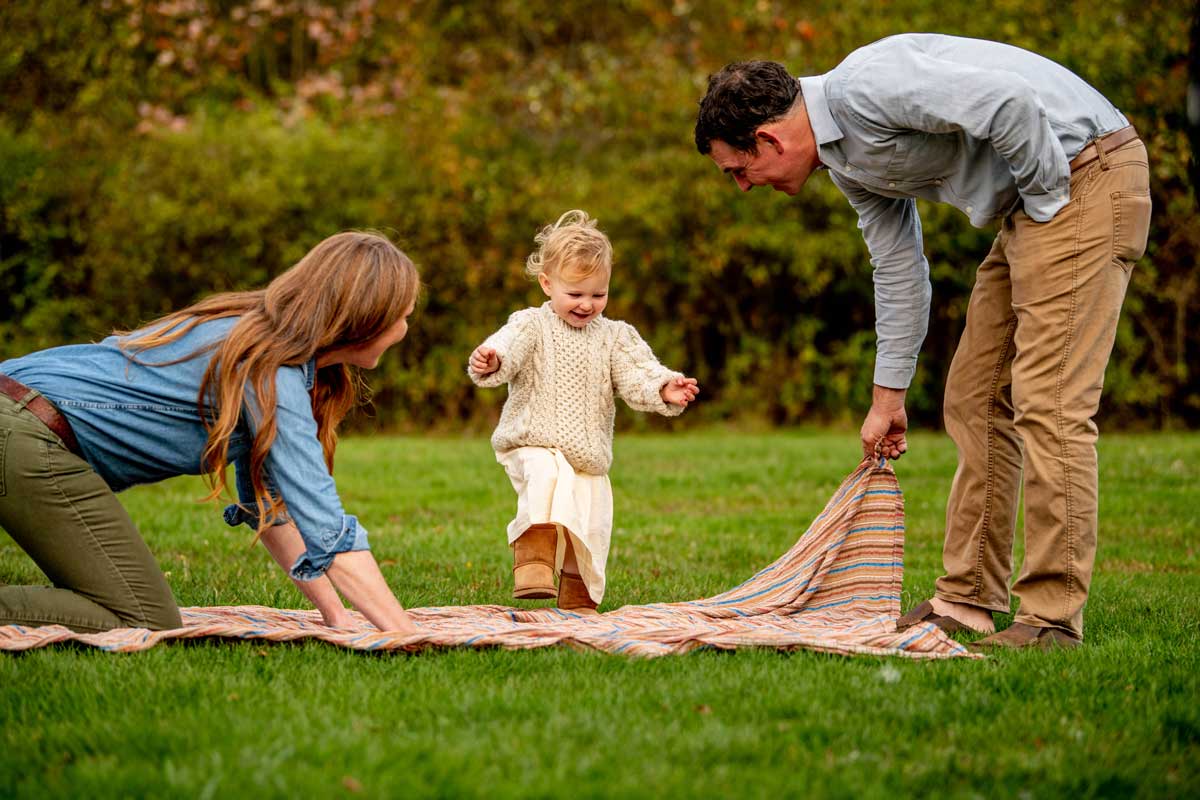
Group pictures often look better when colors relate without being identical. Instead of putting every person in the same blue shirt, use a small palette such as navy, denim, cream, soft gray, and muted green.
This allows individual outfits to feel natural while the group still looks connected. It also reduces the chance that one bright color will pull attention away from faces.
People browsing photo-ready styling ideas can use them as starting points, but the final test should happen with the real clothing. Lay everything together or take a quick group snapshot before photo day.
Mistakes That Can Hurt an Otherwise Good Photo
Choosing a color only because it is trendy can backfire if it makes your skin look washed out or clashes with the location. Another common problem is wearing something extremely bright while everyone else is in muted shades.
Fit also affects photographs. A garment that bunches while seated, pulls across the shoulders, or constantly shifts may create awkward lines. Comfort matters because tension often shows in posture long before it shows in the clothing itself.
Frequently Asked Questions
What colors usually photograph well?
Mid-tone colors often work reliably because they provide definition without overwhelming the frame. Navy, green, burgundy, muted blue, warm brown, and soft neutrals are common starting points, depending on complexion and background.
Should I avoid white on photo day?
Not necessarily. White can look clean and classic, but very bright white may dominate under strong lighting. Cream, ivory, or textured white can sometimes photograph with more visible detail.
Are black outfits good for pictures?
Black can look polished, but dark fabrics may lose detail in low light. Texture, jewelry, a contrasting neckline, or a lighter layer can keep the outfit from appearing flat.
Test the Outfit Through a Camera
Photo day styling doesn’t need to become complicated. Choose colors that suit you, create enough background contrast, and avoid details that compete with your face. Then take a few test photos under similar lighting. A thirty-second camera check can reveal color and fit issues that are almost impossible to notice while standing in front of a mirror.