
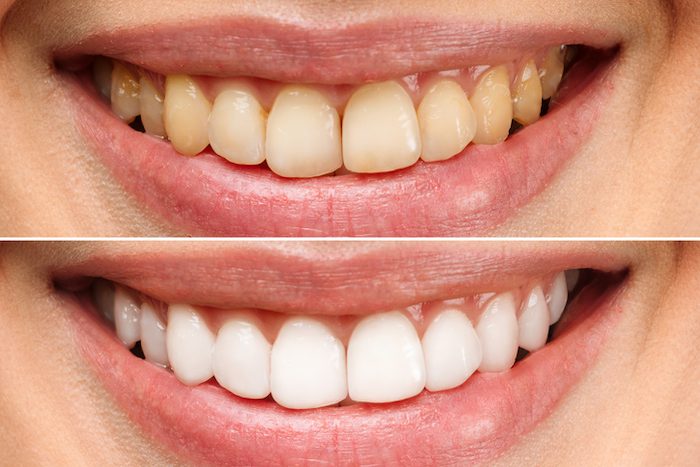
Stained teeth can make whitening products tempting, but the first useful step is often identifying what is causing the discoloration. Coffee, tea, tobacco, plaque buildup, aging, medications, and changes inside a tooth can create different types of staining. Better daily habits may reduce new surface stains and make any later whitening plan more predictable.
Start by Looking at the Staining Pattern
Surface stains usually develop gradually and often affect several teeth. Dark beverages, tobacco, and inadequate plaque removal can contribute to this type of discoloration.
Anyone reading broader daily wellness discussions may encounter countless cosmetic tips, yet tooth color is influenced by both lifestyle habits and dental conditions. That distinction matters before buying a whitening product.
External and Internal Discoloration Differ
Extrinsic stains sit mainly on the outer tooth surface. Intrinsic discoloration develops within the tooth structure and may respond differently to whitening.
A single tooth that becomes noticeably darker than nearby teeth deserves particular attention because trauma or internal dental changes can sometimes alter its color.
Habits That Can Limit New Surface Stains
Regular brushing with fluoride toothpaste and cleaning between the teeth help remove plaque that can make discoloration look worse. Rinsing the mouth with water after dark beverages may also reduce how long staining compounds remain on tooth surfaces.
Appearance advice from personal style publications can be useful for cosmetic inspiration, but whitening should not replace ordinary oral hygiene. Clean teeth and healthy gums create a better starting point for discussing cosmetic treatment.
| Staining Pattern | Possible Contributor | Approach |
|---|---|---|
| General yellowing | Aging or surface stain | Dental assessment |
| Brown surface marks | Tobacco or beverages | Hygiene changes |
| Dark single tooth | Trauma or internal change | Dental evaluation |
| Patchy discoloration | Several possible causes | Identify cause first |
Why Whitening Products Aren’t the First Answer for Everyone
Whitening products mainly target certain types of tooth discoloration. They do not correct cavities, gum disease, worn enamel, or restorations that no longer match surrounding teeth.
People comparing cosmetic options through appearance-oriented resources should remember that crowns, veneers, and fillings generally do not whiten in the same way as natural tooth structure. Whitening natural teeth around them can sometimes make color differences more noticeable.
The American Dental Association provides consumer guidance on whitening and encourages people to consider their oral health and the type of discoloration involved before choosing cosmetic treatment.
Where Whitening Expectations Can Go Wrong
More whitening doesn’t automatically mean a better result. Overusing products can contribute to tooth sensitivity or gum irritation, and repeated treatment cannot overcome every cause of discoloration.
Another misconception is that every stain comes from poor brushing. Tooth color naturally varies, and internal discoloration may have little to do with daily hygiene. Understanding the cause prevents unnecessary or ineffective treatment.
When Should Tooth Discoloration Be Evaluated?
Arrange a dental evaluation when discoloration appears suddenly, affects only one tooth, follows an injury, or occurs with pain, swelling, sensitivity, or visible damage. Persistent dark areas should also be checked rather than repeatedly covered with whitening products.
Urgent dental attention may be appropriate when discoloration is accompanied by significant facial swelling, severe pain, or signs of infection.
Frequently Asked Questions
Can brushing remove stained teeth?
Brushing may reduce some surface staining and plaque, but it cannot remove every type of discoloration. Internal tooth color changes usually require a different approach.
Why does one tooth look darker?
A single dark tooth can have several explanations, including previous trauma or internal changes. A dentist can examine the tooth and determine whether testing or treatment is needed.
Do whitening products work on fillings and crowns?
Whitening products generally change natural tooth structure rather than the color of existing restorations. This can create a mismatch if restorations are already visible.
Improve the Cause Before Chasing a Shade
Whitening works best when it follows an accurate understanding of why the teeth look darker. Strengthen brushing and interdental cleaning, reduce habits that repeatedly stain the teeth, and have unusual discoloration examined. Cosmetic products should come after oral health, not instead of it.
This article is for general informational purposes and is not a substitute for professional medical advice, diagnosis, or treatment.

