Engine oil works in an environment filled with heat, combustion byproducts, and constant mechanical movement. Dirty engine oil gradually loses its ability to perform its job effectively, especially when service is postponed repeatedly. Regular oil changes help keep lubrication in better condition and reduce the buildup that can contribute to unnecessary engine wear.
Why Engine Oil Becomes Dirty
Fresh oil begins collecting contaminants almost as soon as the engine runs. Combustion residue, microscopic wear particles, and normal deposits gradually change its appearance and condition.
Dark oil isn’t automatically proof that the oil has failed. Modern oil is designed to suspend contaminants, which means color alone isn’t a reliable way to decide when an oil change is due.
Follow the Correct Service Interval
The owner’s manual remains the best starting point because oil type and change intervals vary by engine. Broader car care information can help owners understand maintenance concepts, but the specifications for the actual vehicle should guide the service decision.
How Neglected Oil Can Increase Wear
Oil creates a protective film between moving engine surfaces. As lubrication degrades or the oil level drops, that protective margin can become smaller, allowing more friction and heat between components.
Drivers exploring responsible vehicle use should remember that maintenance isn’t limited to fuel economy or emissions. Keeping the correct amount of suitable oil in the engine also protects components that operate under high temperatures and loads.
| Oil Issue | What May Happen | Better Habit |
|---|---|---|
| Low level | Reduced lubrication | Check level regularly |
| Long service interval | More contamination | Change on schedule |
| Wrong viscosity | Improper oil behavior | Follow specification |
| Leaking oil | Gradual level loss | Find the leak |
Oil Level Matters as Much as Oil Age
An engine with relatively fresh oil can still suffer if the level becomes too low. Leaks, oil consumption, or an improperly completed service can leave less oil available for lubrication and cooling.
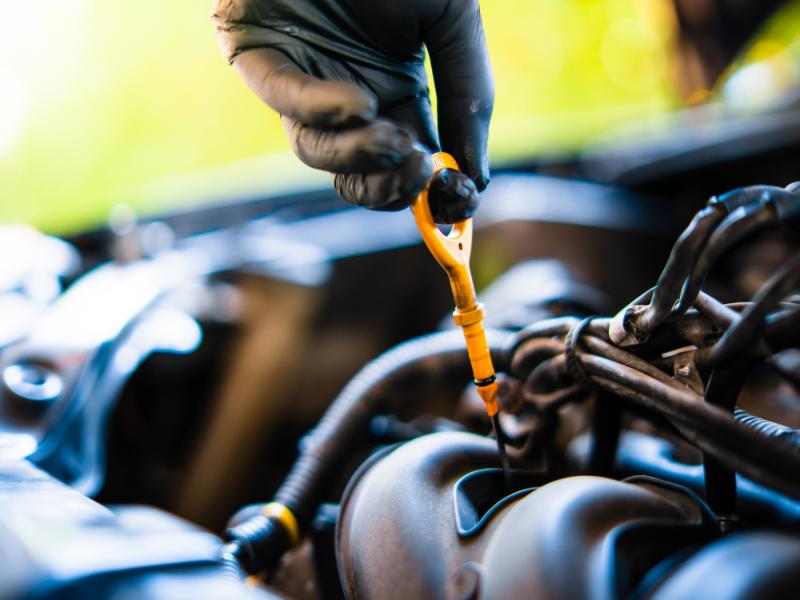
People reading about vehicle ownership essentials sometimes focus on visible maintenance such as tires and brakes. Checking the dipstick, where applicable, takes little time and can reveal an oil-level problem before a dashboard warning appears.
Watch for Changes Between Services
A vehicle that suddenly begins consuming more oil deserves attention. Adding oil may restore the level temporarily, but repeated losses should prompt investigation rather than endless topping up.
Mistakes That Make Oil Maintenance Less Effective
Changing oil more often than necessary isn’t automatically better, and waiting until the oil looks dirty isn’t a dependable strategy either. Service should be based on the manufacturer’s schedule, operating conditions, and the correct oil specification.
Another mistake is forgetting the oil filter. Oil and filter service are normally handled together because the filter captures contaminants circulating through the lubrication system. Using the wrong oil or poorly fitting filter can undermine an otherwise routine maintenance job.
Build a Simple Oil-Change Routine
Keep records showing the date and mileage of each oil change. That removes the guesswork and makes it easier to recognize whether the vehicle is being driven under conditions that may require a different service schedule.
Check the oil level between changes, especially before long trips or if the vehicle has a history of consumption. Small maintenance checks are far easier than dealing with engine problems caused by running low.
Frequently Asked Questions
Does black engine oil always mean it needs changing?
No. Oil can darken as it holds combustion-related contaminants in suspension. Follow the manufacturer’s maintenance interval and oil-life system rather than using color as the only indicator.
What happens if engine oil is not changed for too long?
Extended intervals can allow contamination and degradation to increase. Lubrication performance may decline, deposits can develop, and engine components may experience unnecessary wear depending on operating conditions.
Should I check engine oil between scheduled services?
Yes. Checking the level can reveal oil consumption or leaks between services. Use the checking procedure specified for your vehicle because some engines use electronic level monitoring instead of a traditional dipstick.
Keep Lubrication Maintenance Predictable
Oil maintenance works best when it becomes routine instead of reactive. Use the specified oil, keep the level correct, follow the appropriate service interval, and investigate unexpected oil loss. Dirty engine oil shouldn’t remain in service simply because the engine still sounds normal; consistent maintenance protects the lubrication system before obvious symptoms appear.